Barcelona, Where the City Breathes Between Blocks
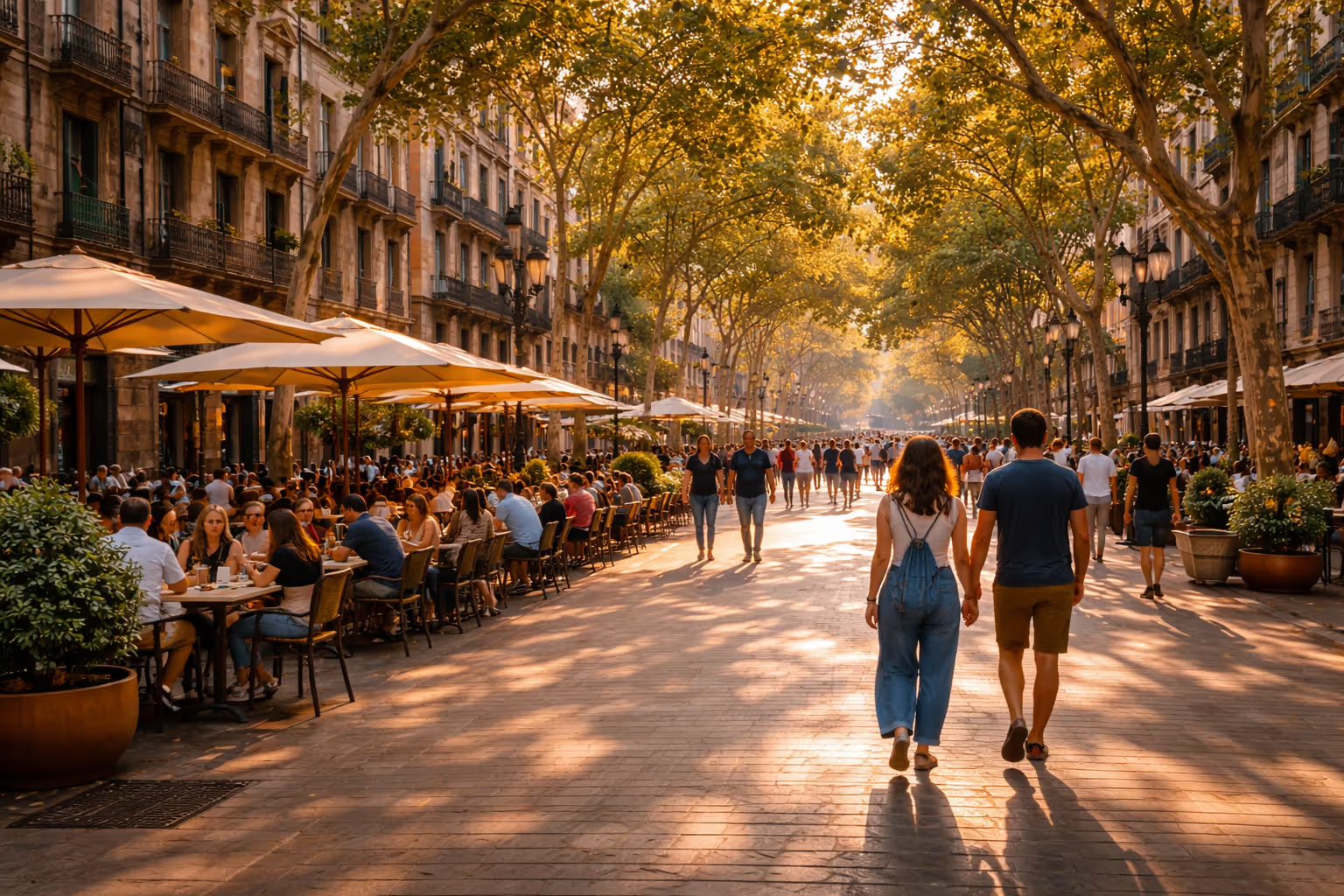
Barcelona doesn’t push you forward. It gives you room.
Arrival, and the Surprise of Space
I stepped out into warm air that didn’t feel heavy. The light was bright, but not harsh. It landed on the street and immediately revealed the city’s first trick: Barcelona is generous with space.
Even the busy parts had breathing room. Sidewalks were wide enough to walk without negotiating every step. People moved at a pace that felt deliberate, not rushed, not slow, just certain. The city wasn’t telling anyone to hurry.
My first instinct was to plan. To map out what mattered. Barcelona made that feel slightly unnecessary. The street itself was doing the work. The blocks were laid out like the city believed you should be able to find your way without wrestling your phone.
The only thing I had to do was start walking.
The First Wrong Turn, and the Better Block
I walked toward somewhere specific and missed it. Not dramatically, just enough to end up on a street that felt more like Barcelona than the one I had aimed for.
A small bakery smell drifted out, warm and faintly sweet. A scooter passed, then silence returned. A man watered plants on a balcony with the calm attention of someone who does it every morning, regardless of who is watching (nobody was).
I paused at a crosswalk and noticed something small: the rhythm of the city. Walk. Wait. Walk again. People didn’t fight the pattern. They just moved with it.
A dog sat patiently while its owner finished a conversation. A kid bounced on the balls of their feet, ready to run the moment the light changed. This was ordinary life, but it had a kind of polish, not in the luxury sense, in the functional sense. Things worked.
Shade, and the City’s Practical Intelligence
As the day warmed, the shade became its own map.
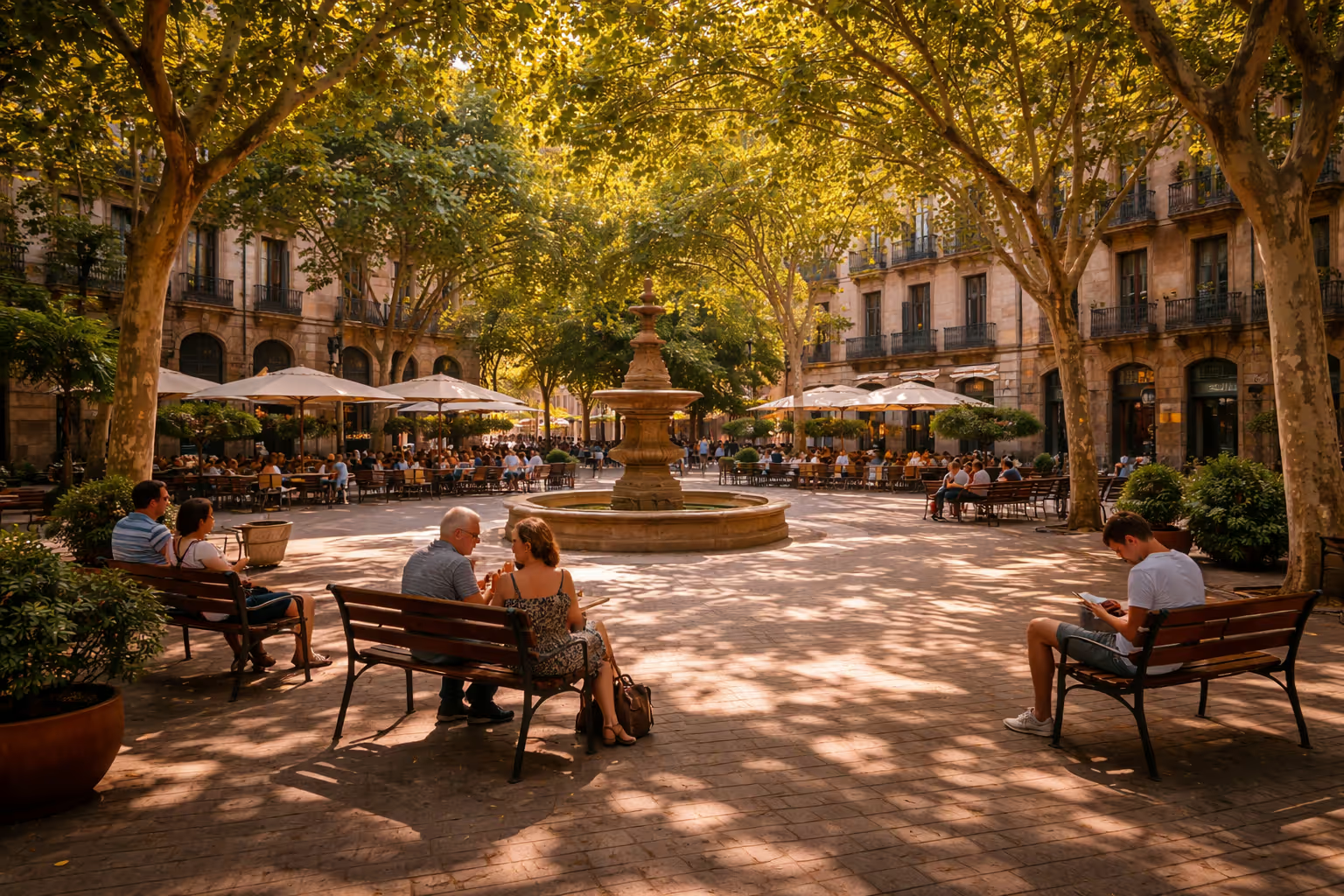
Barcelona has a way of giving you trees exactly when you need them. A row of plane trees creates a corridor of cool air. A building casts a shadow that turns a sidewalk into a calmer place. The city feels designed for afternoons.
I realized I was walking differently. Slower in the sun. Faster in the shade. Not because I was trying to be mindful, but because the city’s microclimates were quietly guiding me.
In a small square, people sat with no agenda. Not posing, not performing a vacation, just sitting. A couple shared a drink without turning it into a photo. Someone read a book with real concentration. The square felt like a living room that the city maintained for everyone.
I sat too, partly for rest, partly to watch how a city behaves when it isn’t trying to impress anyone.
The Architecture That Refuses to Be Just Background
At some point, I looked up and remembered why people come here.
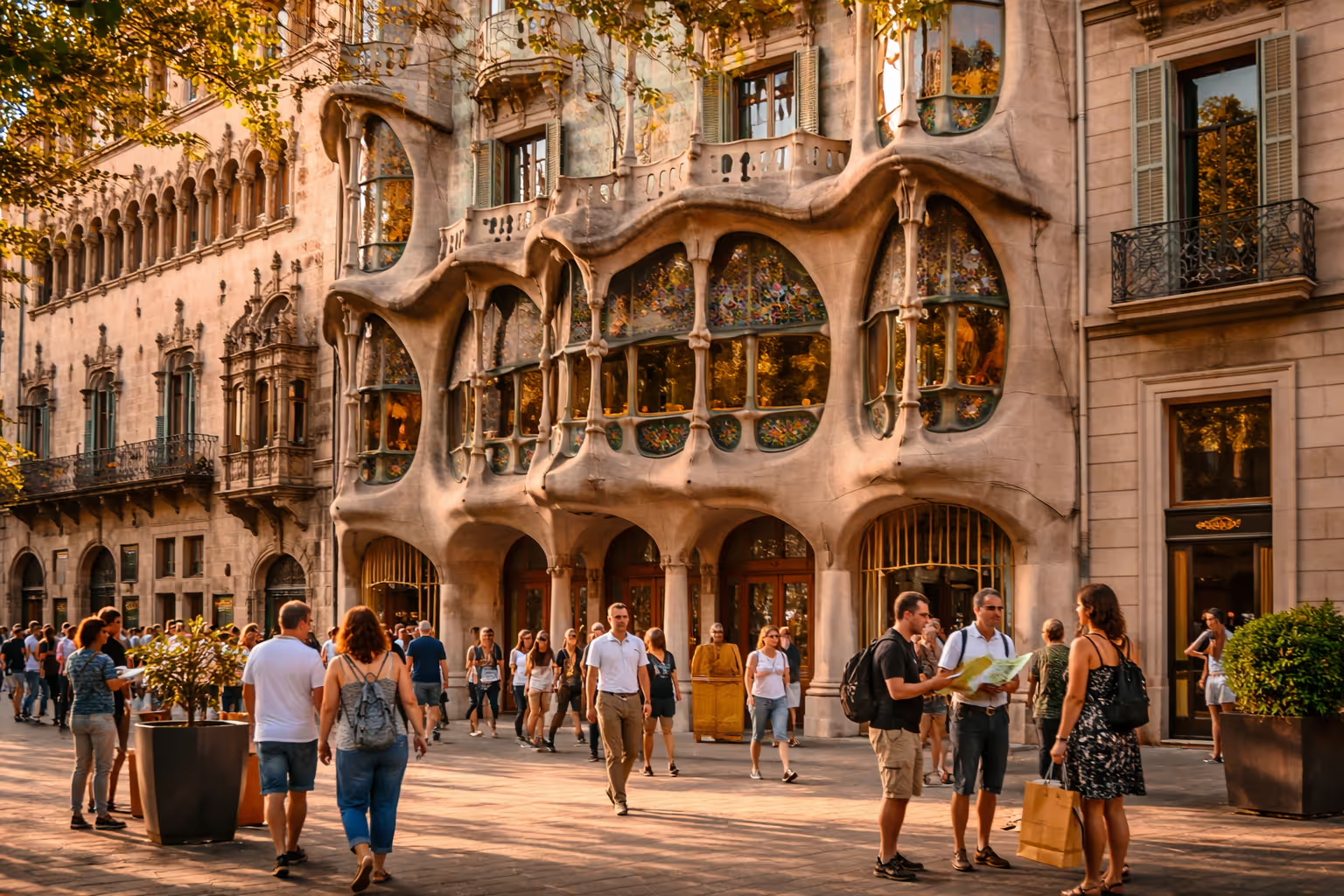
Barcelona has architecture that doesn’t sit politely in the frame. It leans into your attention. Curves where you expect straight lines. Texture where you expect smooth. A sense that someone, at some point, decided the built world could be playful without being chaotic.
I stood across from a façade and watched people react to it. Some took photos quickly and moved on. Others stared longer, as if trying to understand the logic. A kid looked up and smiled without knowing why. I liked that best.
What surprised me was how the spectacle didn’t feel separate from daily life. People walked past extraordinary buildings carrying groceries. Someone argued quietly about directions in front of something that could have been a museum. Beauty here wasn’t cordoned off. It was just part of the route.
Lunch, and the Sound of a City Eating
For lunch, I chose a place that felt busy in the right way. Not loud, just alive.
Plates landed on tables with soft clinks. Conversations overlapped without becoming noise. Someone laughed sharply, then softened it. A server moved with practiced speed, never rushing, never lingering.
I ordered something simple and immediately felt the relief of not optimizing. The food arrived and made sense. Good ingredients, handled with confidence. The kind of meal that doesn’t demand analysis.
Halfway through, I made a small mistake. I reached for something I thought was mine and realized it belonged to the table next to me. I apologized. They smiled, genuinely, and waved it off with the ease of people who have done the same thing before.
I left feeling reset, as if lunch had been a clean line through the day.
Late Afternoon, When the Street Becomes a Living Room
Later, the city shifted.
The air cooled slightly. The light turned warmer. People appeared outside again as if on a shared schedule, not coordinated, just collectively aware that this was the good part of the day.
I walked down a boulevard and noticed how many micro-interactions held the place together. A nod between neighbors. A quick exchange at a corner shop. Kids weaving around adults with the confidence of people who know the rules of their street.
Barcelona’s public life feels intentional. Not staged, not curated, just actively used. Benches were occupied. Corners were social. Sidewalks were not just for transit. They were places to be.
I found myself slowing down on purpose to match the mood.
Dusk, When the City Softens at the Edges
As dusk arrived, Barcelona’s edges softened.
Lights came on gradually. Not a switch, a fade. Reflections appeared in windows. The sky held a pale color longer than expected, as if it didn’t want to leave.
I ended up near water, watching the surface move in small patterns. The city behind me was still active, but it wasn’t demanding attention. It felt composed. Complete.
I noticed something then that I hadn’t noticed earlier. The day had been full without being exhausting. Barcelona had given me movement, pauses, and space in the right proportions.
I walked back slowly, not because I was tired, but because the pace felt correct.
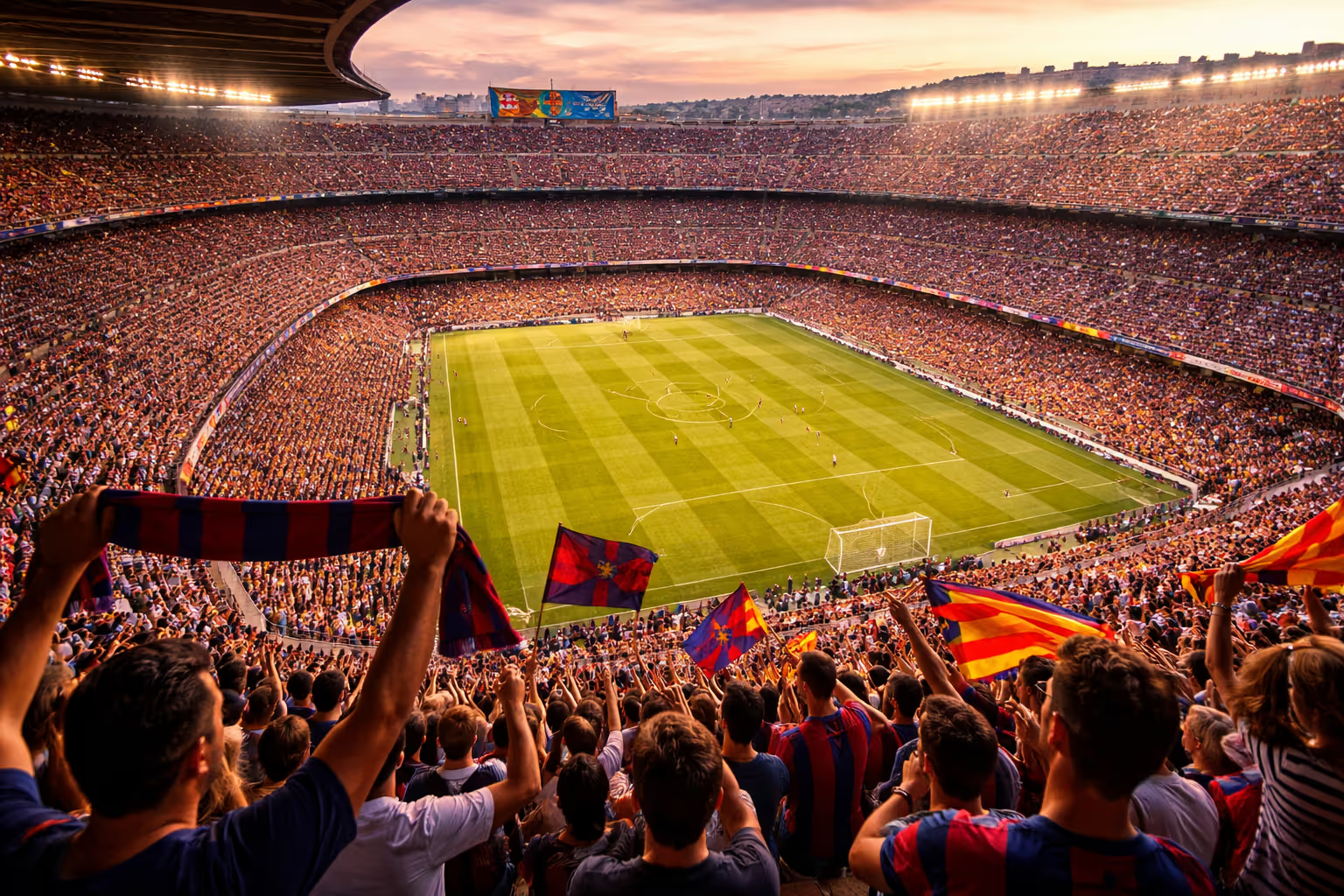
What Stayed With Me
Barcelona felt less like a destination and more like a system that works.
It taught me that urban beauty doesn’t have to be rare or loud to matter. It can be built into the everyday. Wide sidewalks that reduce friction. Trees that make afternoons possible. Small squares that invite pause. Architecture that refuses to be boring, but still allows people to live around it normally.
I left remembering the in-between moments more than the obvious ones. The shade that guided my walking. The way people used public space like it belonged to them (because it did). The calm confidence of a city that doesn’t have to shout.
Barcelona, for me, was a reminder that design is not decoration. It’s the shape of a day.

48 Hours in Lisbon: Fado, Pastéis, and the Ghosts of Alfama
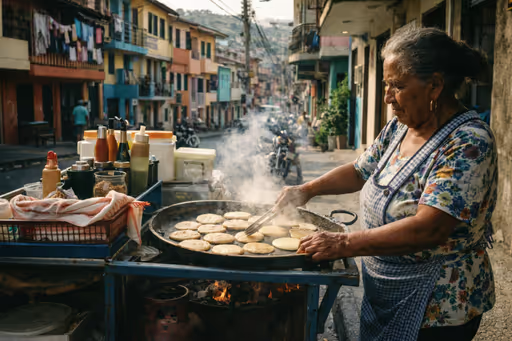
Lost and Found in Medellín: How a Wrong Turn Led to the Best Arepas of My Life
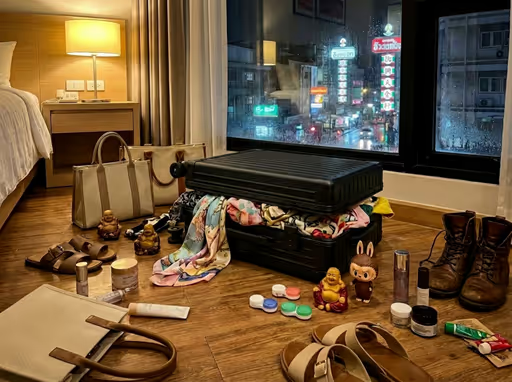
Shopping in Bangkok: How I Ended Up Spending Double My Travel Budget