Three Days in Porto: Cellars, Azulejo Tiles, and a Dinner Table
The taxi driver turned around with a skeptical look. "You want to go where?", he asked in heavily accented English. I showed him the address again: a residential street in Cedofeita that my hostel mate had scribbled on a napkin that morning. She'd insisted I visit her aunt's tile workshop, the kind of place you'd never find on Google Maps. Twenty minutes later, I was standing in front of a blue door that looked like every other blue door in Porto, wondering if I'd made a terrible mistake.
I knocked anyway.
The Azulejo Whisperer
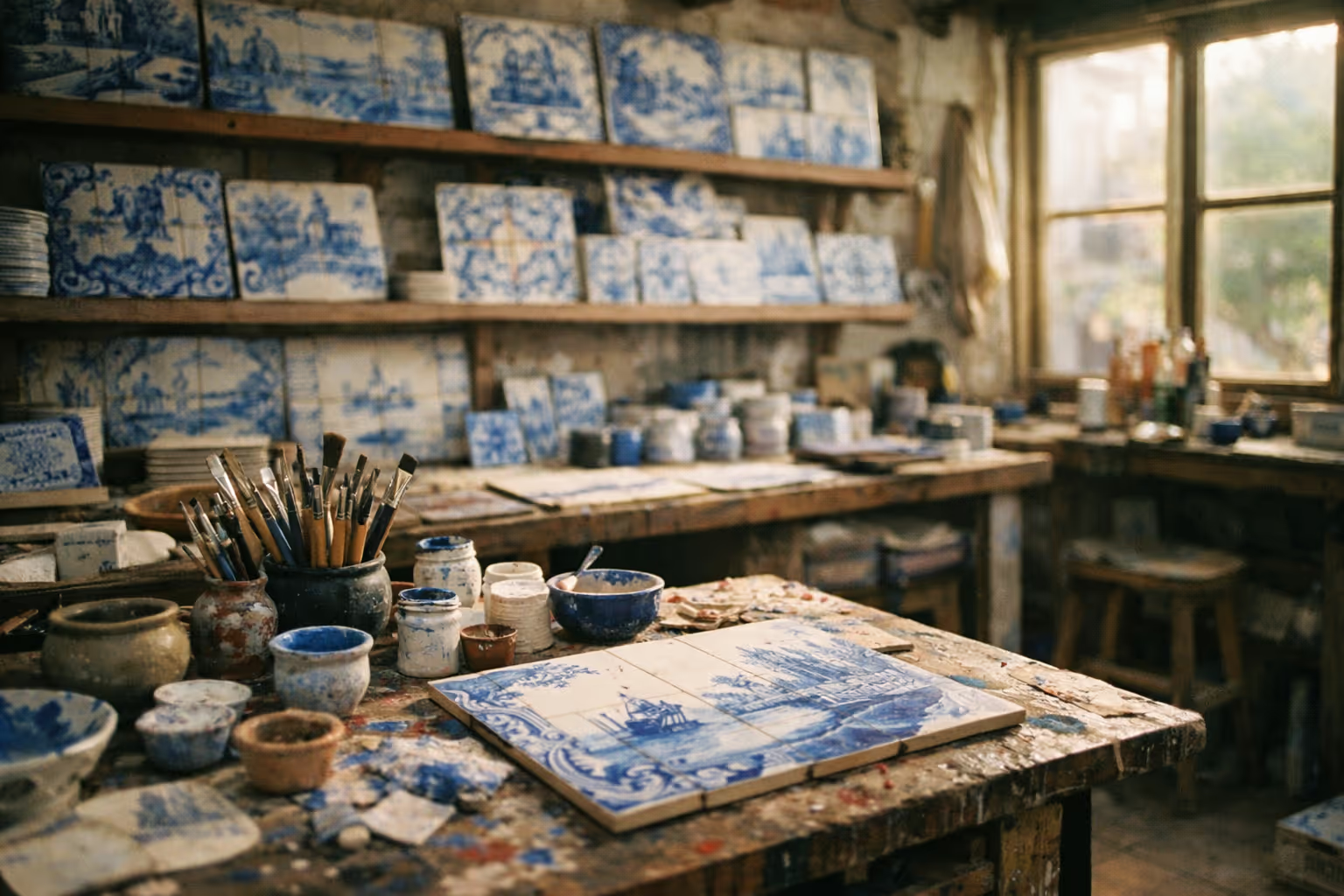
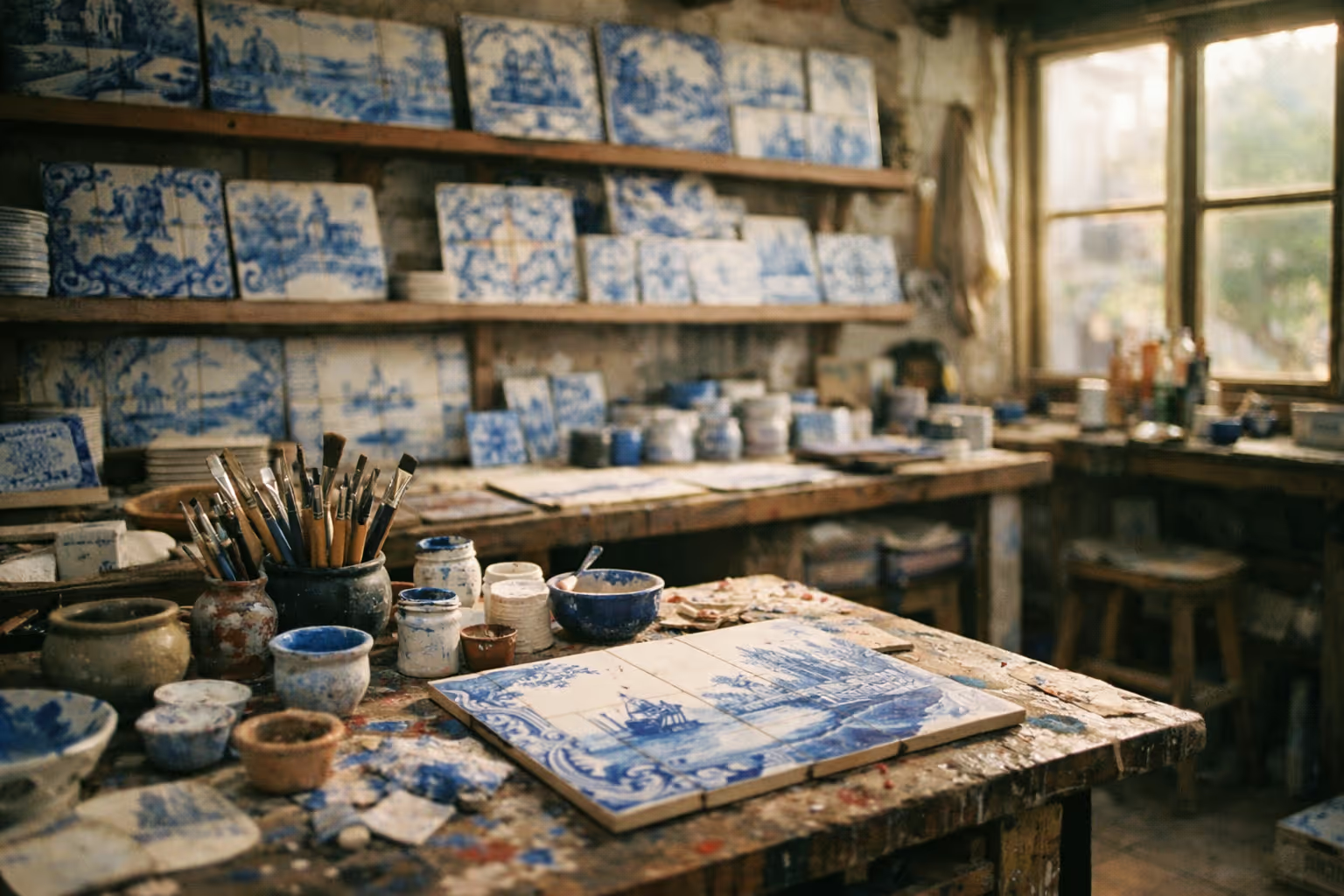
Maria opened the door with paint-stained hands and a warm smile that immediately put me at ease. Her workshop was a cluttered paradise, with shelves lined with hand-painted tiles in various states of completion, sketch papers covering every surface, and the sharp smell of ceramic glaze hanging in the air. She spoke almost no English, and my Portuguese consisted of "obrigada" and "vinho," but somehow we communicated.
For the next two hours, Maria showed me the centuries-old technique of azulejo painting. These weren't the mass-produced tourist tiles sold in Ribeira's souvenir shops. Each piece was a miniature artwork, painted freehand with a steady brush and decades of muscle memory. She let me try, and my wobbly attempt at painting a sardine looked more like a deformed fish stick. We both laughed until tears ran down our cheeks.
This is what I'd come to Porto for. Not the Instagram-perfect shots of Luís I Bridge or the crowded port wine tastings, but these unexpected moments of genuine connection that make travel feel less like consumption and more like conversation.
Sunday Lunch With Strangers
The dinner table invitation came on my second day, completely out of nowhere. I was genuinely, hopelessly lost in the winding streets of Miragaia when I stopped to ask an elderly woman for directions. She was carrying grocery bags and heading home. Instead of just pointing me toward São Bento station, she grabbed my arm and said in broken English: "You eat. Come."
Before I could process what was happening, I was being ushered into a narrow townhouse filled with the aroma of bacalhau and the chatter of Portuguese voices. Her grandson translated: Grandma had invited me to Sunday lunch. Just like that.
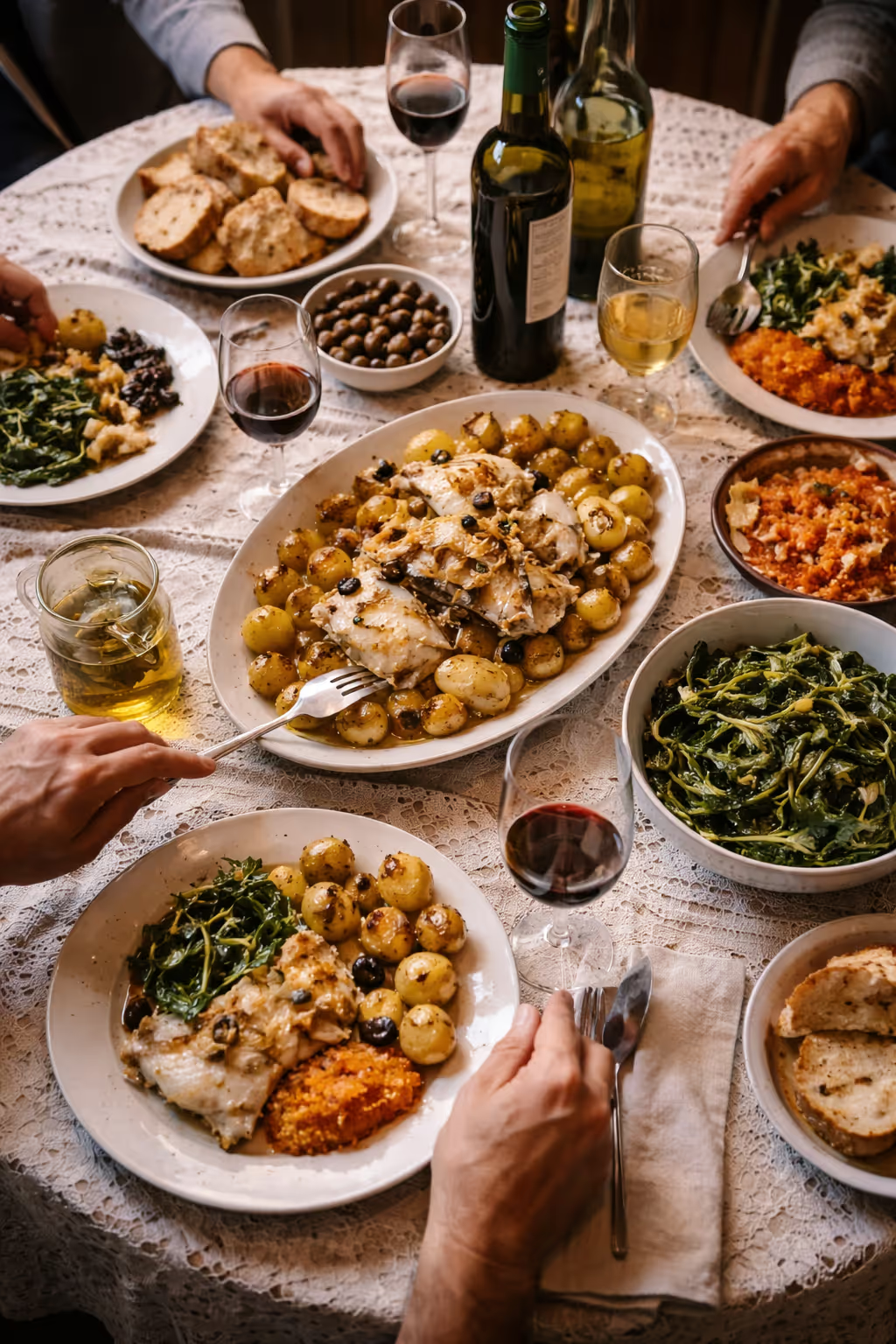
The meal lasted four hours. There was salt cod prepared three different ways, piles of potatoes swimming in olive oil, collard greens, and enough wine to sink a ship. The family asked me about America, about my travels, about my family back home. They taught me Portuguese tongue twisters and laughed good-naturedly when I butchered the pronunciation. The grandmother kept refilling my plate, swatting away my protests with a wooden spoon.
As the afternoon light slanted through the lace curtains, I realized this was the best meal I'd had in Porto, not because of the food (though it was incredible), but because I was experiencing Portuguese hospitality in its truest form. No reservation, no bill, no transaction. Just the simple act of welcoming a stranger into your home because it's Sunday and no one should eat alone.
The Port Wine Ritual
By day three, I was ready for the classic Porto experience: port wine tasting in Vila Nova de Gaia. I crossed the Luís I Bridge on foot, a slightly terrifying experience when you're afraid of heights, and joined a tour at one of the historic wine cellars.
But even here, away from my accidental cultural immersions, I found something more than just alcohol education. Our guide, Pedro, wasn't just reciting facts about tawny versus ruby port. He was telling family stories. His grandfather had worked as a barqueiro, one of the men who transported port wine down the Douro River in flat-bottomed boats before roads made the journey easier. Pedro spoke about the tradition with reverence, about how wine isn't just a product in Portugal. It's a language, a history, a bridge between generations.
We tasted six different ports in the cool darkness of the cellar, each sip a different chapter in Porto's story. The 20-year tawny tasted like caramel and memories. The late bottled vintage had the boldness of youth. Pedro taught us the Portuguese way: sip slowly, breathe in, let it sit on your tongue. Don't rush. Rushing is for tourists; savoring is for travelers.
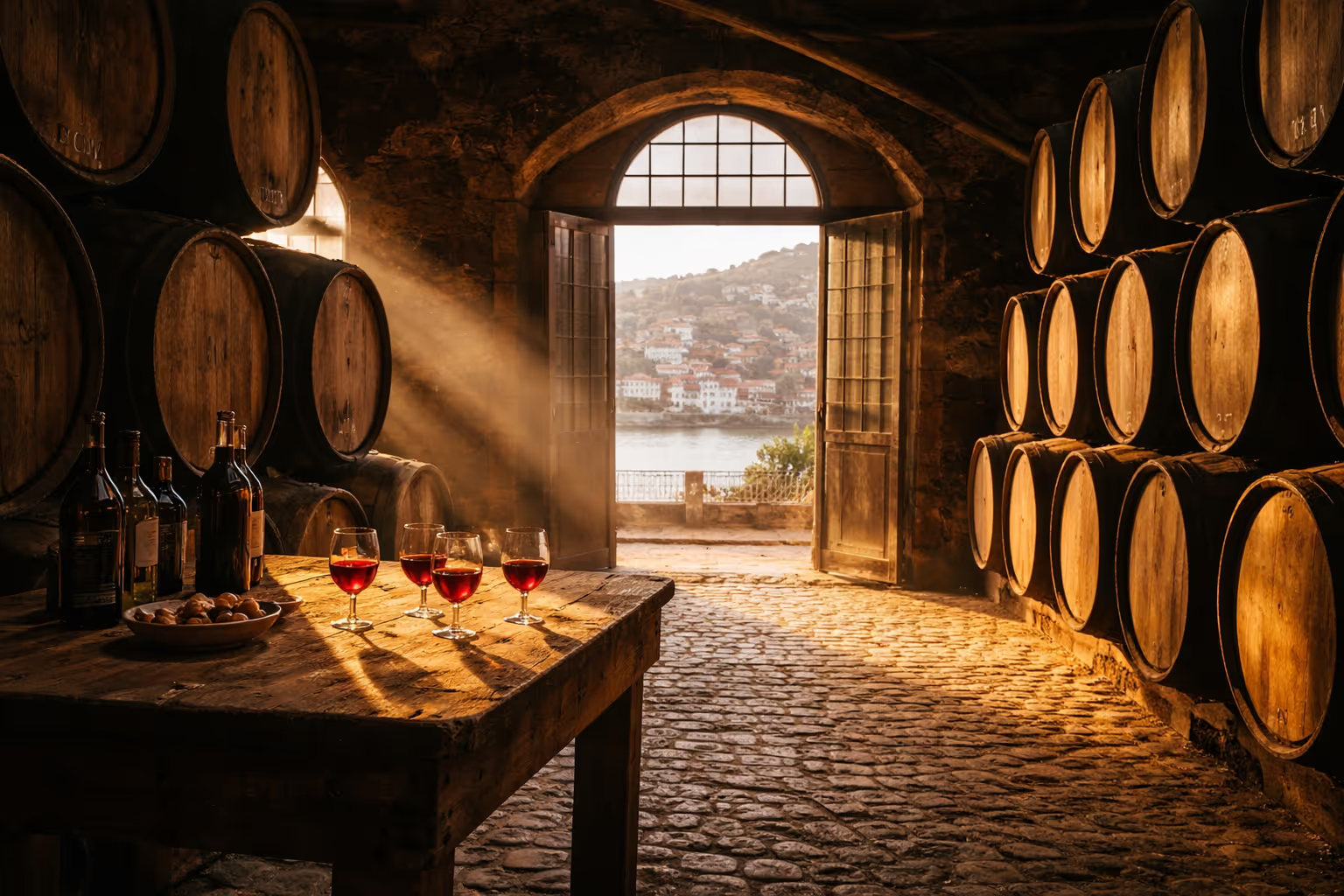
By the end of the tasting, our small group of strangers had become friends, bonded by good wine and better stories. We stumbled back across the bridge as the sun set, painting the Douro River in shades of copper and gold, the exact color of aged port.
The City of Blue and Gold
Porto reveals itself slowly, like a novel you can't rush through. The city is a study in contrasts: crumbling grandeur next to modern street art, traditional tascos beside hipster coffee shops, elderly women in black dresses sharing sidewalks with students in ripped jeans. The famous blue azulejo tiles cover everything: church walls, train stations, random buildings. They tell stories if you know how to read them: saints and sailing ships, daily life from centuries past, all frozen in cobalt blue.
I spent hours wandering São Bento railway station, admiring the 20,000 tiles depicting Portuguese history. I climbed the Clérigos Tower for views that made my legs burn and my camera roll overflow. I ate far too many pastéis de nata and discovered that yes, there is such a thing as too much custard tart (but barely).
But what I'll remember most isn't the monuments or the viewpoints. It's Maria's paint-stained hands guiding mine across a ceramic tile. It's the grandmother who fed me like family. It's Pedro's voice in the wine cellar, keeping his grandfather's stories alive. It's the way Porto doesn't perform its charm. It simply exists, inviting you to slow down and pay attention.
What I Learned in Porto
Travel blogs always end with practical tips, so here are mine: Yes, visit the wine cellars in Vila Nova de Gaia. Yes, photograph the colorful houses of Ribeira. Yes, cross the Luís I Bridge and eat francesinha and buy a ticket to ride the vintage tram.
But also: Get lost on purpose. Say yes when strangers invite you places. Ask locals about their craft, their family, their city. Learn a few words of Portuguese beyond "obrigada," because even your clumsy attempts will earn smiles. Choose the restaurant with no English menu. Strike up conversations with grandmothers.
Porto doesn't give itself away easily. It's a city that rewards curiosity, patience, and openness. The best experiences aren't on TripAdvisor. They're behind blue doors in residential neighborhoods, around dinner tables in strangers' homes, in the stories that local guides tell when they forget they're working.
Three days in Porto taught me that the best travel experiences can't be planned or Googled or optimized. They happen when you're slightly lost, a little bit brave, and willing to accept that sometimes the wrong turn leads to exactly the right place.

48 Hours in Lisbon: Fado, Pastéis, and the Ghosts of Alfama
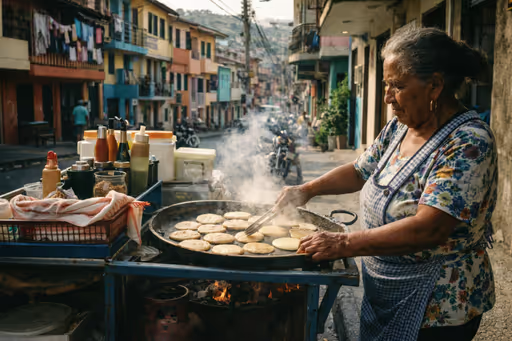
Lost and Found in Medellín: How a Wrong Turn Led to the Best Arepas of My Life
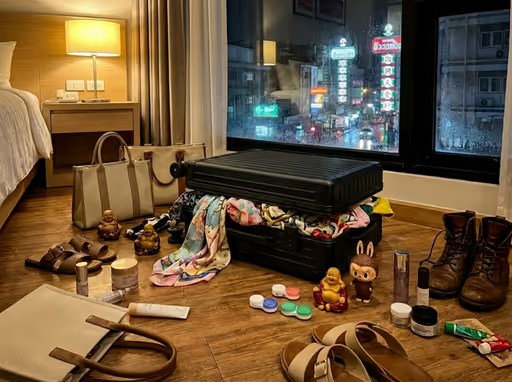
Shopping in Bangkok: How I Ended Up Spending Double My Travel Budget