Paris, Between Errands and Practical Elegance
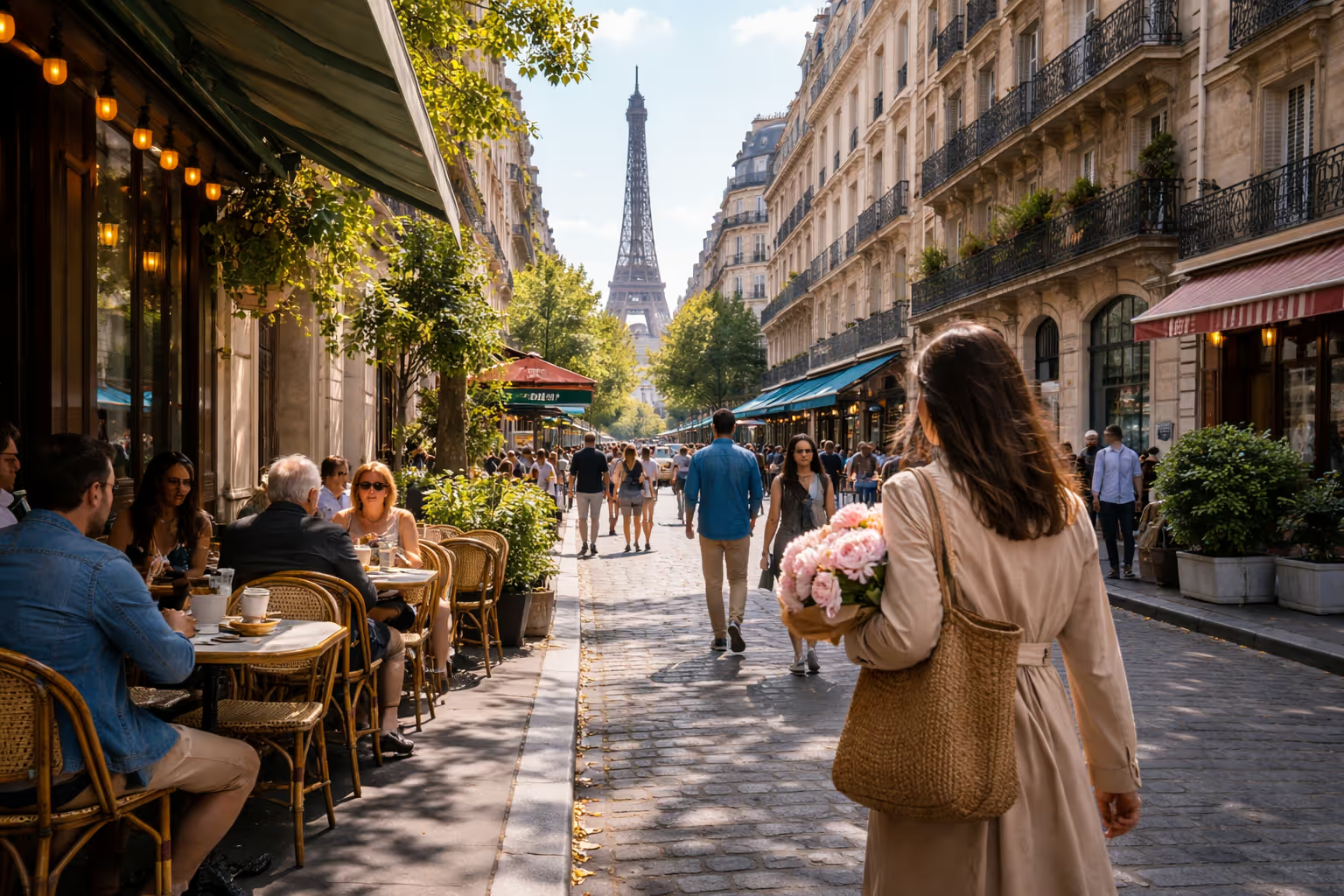
Paris is not a checklist. It’s a cadence.
Arrival, and the City’s First Instruction
Paris greeted me with that specific kind of air that feels both clean and lived-in. Not sterile. Just awake.
The first thing I noticed wasn’t a landmark. It was how people walked. Not hurried, not slow, just steady, like the city had trained everyone to treat the sidewalk as a shared resource. A scooter slipped by, a delivery bike followed, and the street absorbed it all without drama.
I tried to do what I always do when I arrive somewhere new. I opened a map and planned a route. The city made that feel slightly unnecessary. The streets themselves were the point. I closed the map and started walking.
The Bakery, and the First Reset
I found a bakery because the smell found me first.
Warm butter, toasted flour, the faint sweetness of something cooling on a rack. The line moved efficiently. People ordered with confidence, not because they were trying to perform Paris, but because this was their normal.
I ordered something simple and immediately felt the day slow down. The paper bag warmed my hands. I tore off a corner and tasted it while walking, which felt both slightly rude and completely correct. Paris doesn’t reward perfection. It rewards participation.
A woman stepping out of the bakery caught my eye, smiled briefly, and kept going. No conversation. Just acknowledgment. It made the morning feel less anonymous.
A Wrong Turn, and the Better Street
I took a wrong turn and ended up on a street that looked like it had been quietly good for a long time.
The buildings were calm, not trying to be pretty. They just were. Windows opened slightly. Curtains moved. A plant leaned toward the light. A café worker arranged chairs with the care of someone setting a room.
I noticed how the city handles detail. Door hardware that feels weighty. Stone that holds light softly. Corners that are designed to be looked at without demanding attention.
I stood for a moment watching someone lock up a scooter, adjust a scarf, and cross the street with a kind of unspoken confidence. Paris feels like that. Not loud. Certain.
[Image: Narrow Paris side street, warm stone, a café setting chairs]
Caption: The city rewards the detour.
The Architecture That Teaches You to Look Up
At some point, I looked up and remembered why Paris is Paris.
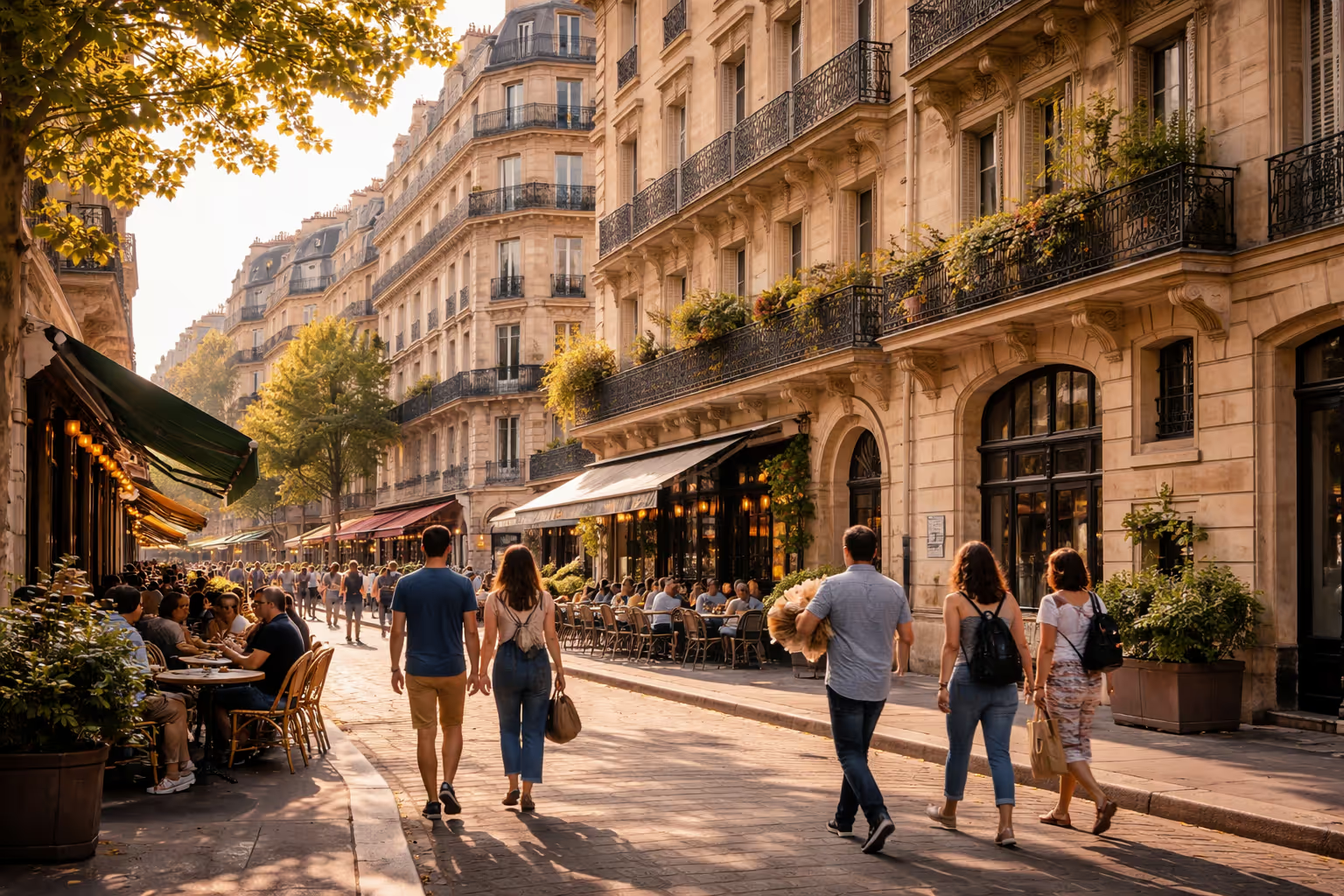
Not because of one building, but because of how the city holds itself. There’s a sense of proportion that feels intentional, even when you’re not thinking about it. Balconies line up. Streets open into small squares. The skyline stays disciplined enough that the details matter.
I watched people interact with the city’s beauty in the most ordinary ways. Someone carried groceries past a façade that could have been a museum. A couple argued quietly about directions in front of a building that probably has a history lesson attached to it. Nobody stopped to announce the beauty. They just lived around it.
That was the surprise. Paris doesn’t separate spectacle from daily life. It blends them.
Lunch, and the Pleasure of Not Optimizing
For lunch, I chose a place that looked like it knew what it was doing without advertising it.
Tables close enough to feel alive. A server moving with calm speed. Plates arriving with minimal explanation, because the food didn’t need a narrative.
I ate slowly. Not as a statement. Just because the meal asked for it. The city outside continued. Footsteps. Small conversations. The soft scrape of a chair moving across stone.
Halfway through, I realized I hadn’t checked my phone in a while. Nothing bad happened. The world didn’t collapse. Paris has a way of making you remember that attention is something you can choose.
Late Afternoon, When the Light Starts Editing the City
Paris changes texture in late afternoon.
The light turns warmer and the edges soften. The city looks edited, as if someone adjusted contrast and then stepped away. Shadows stretch. Stone glows. Windows catch reflections that look like they were placed on purpose.
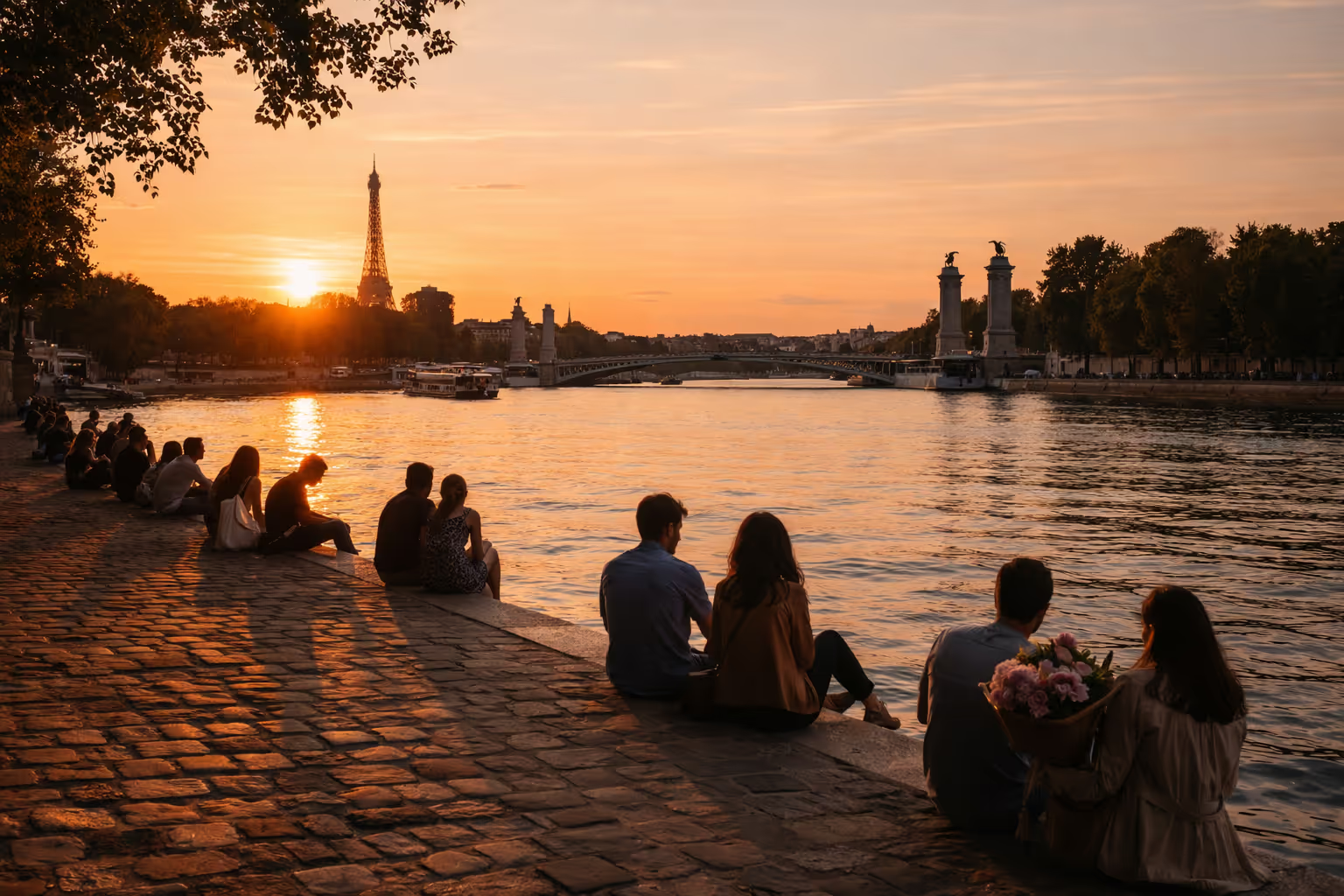
I walked along the river and watched the water carry the sky in broken lines. People sat facing the water without needing a reason. A group of friends shared snacks, talking with their hands. A couple sat in silence, comfortable enough not to fill it.
Paris in this light feels less like a destination and more like a state of mind. A reminder that you can move through a day without fighting it.
Evening, When the City Becomes a Living Room
As evening arrived, the city didn’t switch on. It eased in.
Lights came on gradually. Cafés filled. Conversations moved outdoors. The sidewalks became social space, not just transit. Paris feels designed for the after-work hour, the small pause between obligation and rest.
I sat at a table outside and watched the street do what it does best. People passing with purpose. People stopping without urgency. The soft choreography of a city that has rehearsed being itself for a long time.
A kid ran ahead of their parents and came back, like a boomerang. Someone laughed sharply, then softened it. Glass clinked. A scooter passed, then the street returned to calm.
I stayed longer than planned. It felt like the correct decision.
What Stayed With Me
Paris did not feel like a series of highlights. It felt like a cadence.
It reminded me that elegance can be practical, and that beauty doesn’t have to be rare to matter. It can be built into daily life. In the weight of a door handle. In the way a street opens into space. In the way people walk as if they belong where they are.
I left remembering the in-between moments more than the monuments. A wrong turn that delivered the better street. A bakery smell that reset the morning. The way late afternoon light edited the city without asking permission.
Paris, for me, was not about seeing everything. It was about letting the day take its time.

48 Hours in Lisbon: Fado, Pastéis, and the Ghosts of Alfama
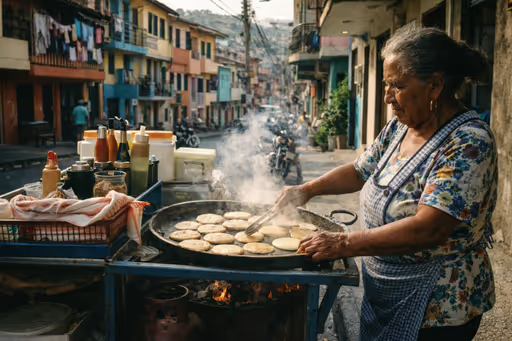
Lost and Found in Medellín: How a Wrong Turn Led to the Best Arepas of My Life
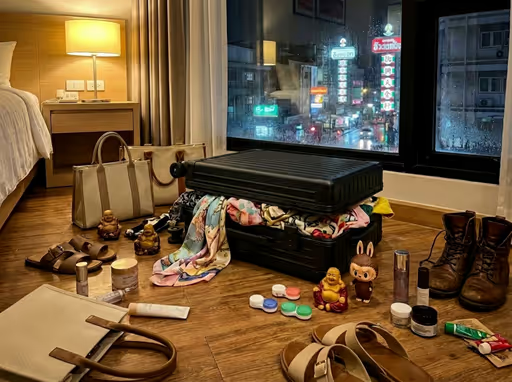
Shopping in Bangkok: How I Ended Up Spending Double My Travel Budget